
Reading Bacteria before the chase
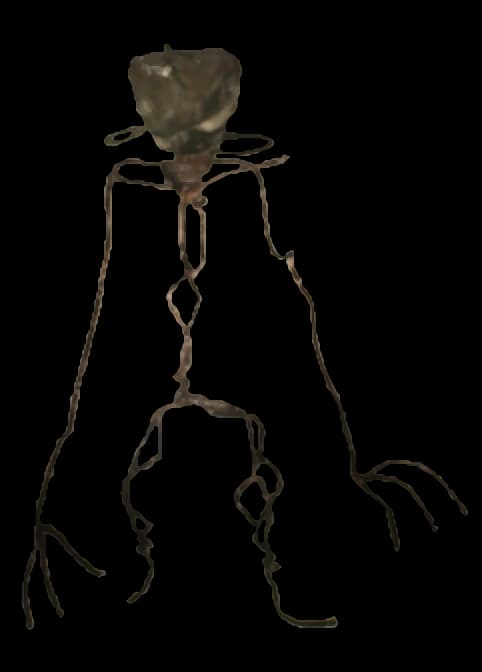
Aspecto: Un humanoide negro de aspecto alambrado que persigue a los Wanderers en cuanto los ve. En los niveles posteriores hace falta un escondite real, no solo ganar distancia.
Comportamiento: Bacteria punishes curiosity more than slow movement. Once its sound or silhouette is confirmed, the route stops being a puzzle route and becomes a line-of-sight problem.
Nivel de amenaza: 3/5 — Our rule is simple: if someone says “Bacteria, left,” nobody asks for a second look. The next call should be the room, vent, or turn everyone is taking.
Avistado en: 4 rutas documentadas.
Where Bacteria interrupts real routes
Level 0: the maze changes before you notice it
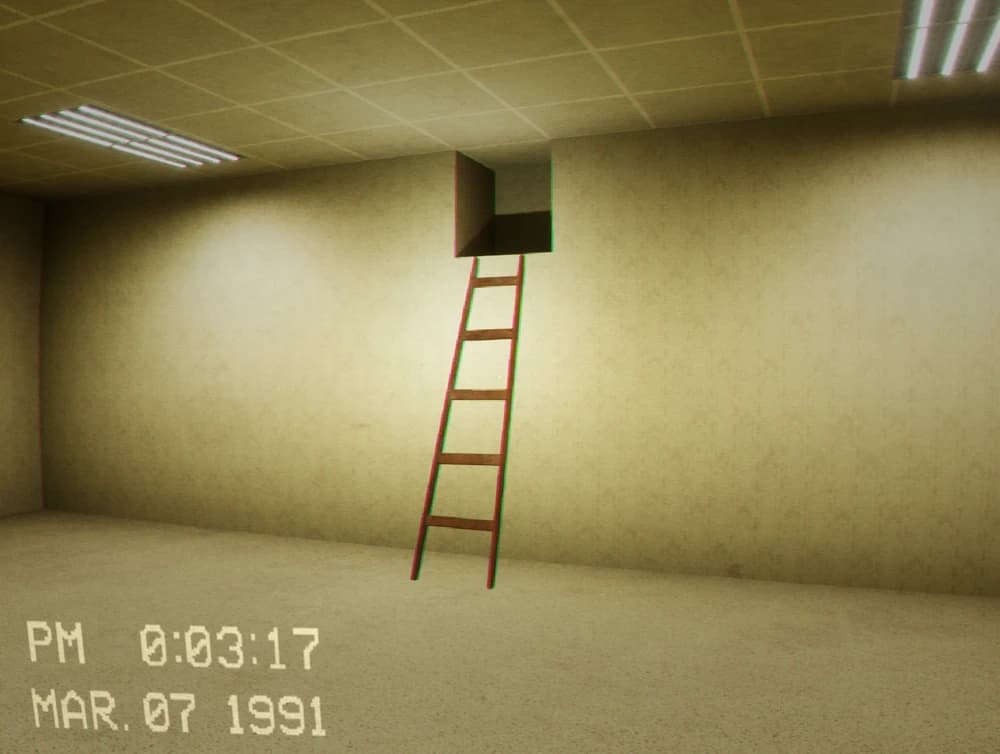
The important change in Level 0 is not a new puzzle prompt. It is the moment the familiar yellow corridors stop being a space you can casually backtrack through. Once the threat is relevant, every side branch needs an exit thought: which turn gets you out of sight, and which direction returns to the actual route?
A common bad recovery is to run straight until the sound seems quieter. That can put a player farther from their group with no better cover. A better recovery is to use the first useful turn, then make a short call about the next known landmark. The goal is to regain route control, not to win a race down carpeted halls.
The Level 0 survival route marks the turns and exit landmarks worth keeping in mind before the pressure starts.
Water Damage: prepare the room before touching the objective
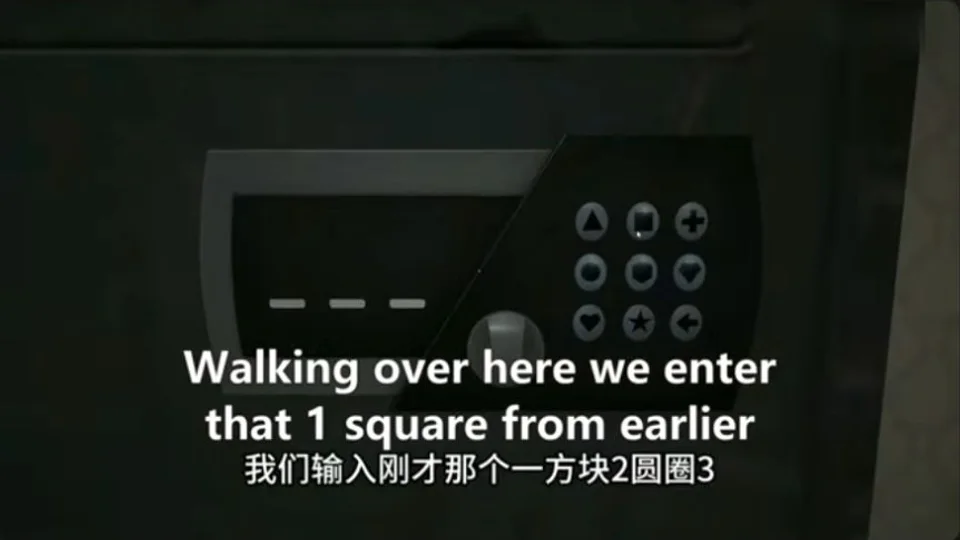
Level 0.11 is where a lot of teams lose time by treating the chainsaw, switches, and shutter as separate jobs. They are one route. Before starting the timed part, look for the side room, vent, door, or direction that still works when somebody has to abandon the lever.
The entity is not an excuse to guess at the puzzle. If the group is scattered when pressure starts, reset at a named fallback and then decide which lever or room remains unfinished. A calm second attempt is usually shorter than forcing a timer while everyone is calling different directions.
In the Level 0.11 lever route, the chainsaw, timed switches, and shutter are covered as one uninterrupted route because the fallback choice affects every later step.
The sound cue is useful only when it changes your movement
Knocking and howling create the urge to look for a source. Resist that urge. In practice, the sound is most valuable as a pacing signal: stop extending the current branch, look for the next safe geometry, and avoid placing the whole group in a narrow doorway.
If the team has no current shelter in mind, that is the real mistake to correct. The next time you enter a task room, spend one second locating the recovery option before interacting. That small habit has more value than memorising a long list of chase instructions.
When Bacteria enters the route
Create a break in sight, then use the hiding or reset option the current level actually provides.
Señal de reconocimiento
Knocking or howling in an otherwise quiet area is enough to change your pace. Do not walk toward it just to confirm what made the sound.
Mejor respuesta inmediata
Turn away from the sound, check the nearest corner or door, and decide where the chase ends before sprinting. A straight corridor only gives it a clean run at you.
Reinicia el encuentro
On Level 0, corners and a dead end are more useful than a long panic sprint. In later roaming encounters, the reset is a real shelter—such as a vent or an available room—not distance alone.
Call the fallback, not the panic
One player names its direction; everyone else keeps the nearest safe option open. Do not make four players squeeze through one doorway and remove the only place to hide.
Lo que arruina la partida: Saving the escape plan for after it sees you. If you have not noticed a usable door, vent, or turn while exploring, you are already late when the howl starts.
Where Bacteria creates pressure
Estas notas se refieren a la ruta; no garantizan que la entidad aparezca siempre en un punto fijo.
Level 0 yellow rooms
Knocking may pull the player away from the ladder search; repeated corners are safer than one long corridor.
Water Damage corridors
The entity is faster here, so identify a vent or closable room before starting a timed interaction.
Level 0.3 layer
The photography objective forces a deliberate exposure; lockers and the lift are the intended reset options.
Escaping Bacteria without wasting the route
Turn away from the sound, check the nearest corner or door, and decide where the chase ends before sprinting. A straight corridor only gives it a clean run at you.
How Bacteria changes each level
Úsalas como una comprobación breve. Describen decisiones antes, durante y después del encuentro, no un guion rígido.
Level 0: don’t investigate the knock
En solitario: The three-minute pressure changes the level from navigation to route memory. Keep turning decisions deliberate; a corner you chose is more useful than a straight sprint you hope will work.
Cooperativo: The player who hears it first gives direction, not a speech. Everyone takes the same turn until the group reaches a known reset point instead of scattering through adjacent yellow rooms.
Level 0.11: shelter before objective
En solitario: The chainsaw, arrows, and levers encourage tunnel vision. Before cutting boards or starting the lever sequence, notice the closest usable door or vent so the Bacteria does not turn a task room into a trap.
Cooperativo: Scout the side rooms before the timed work starts. One player stays nearest the fallback while the others work the objective; do not have every player commit to the same lever with no exit plan.
What “beating” Bacteria means
En solitario: There is no reliable combat solution. Winning the encounter means making it lose access to you, then returning to the route only after you know which objective was interrupted.
Cooperativo: Do not sacrifice a player by having them run in a random direction. If someone is pursued, the rest should use the space to regroup at a named safe point, not continue looting separate rooms.
Why sprinting alone does not solve it
Create a break in sight, then use the hiding or reset option the current level actually provides.
Sightline is the resource
Bacteria is most dangerous when players spend their whole stamina bar in a corridor that never breaks its view. Your first route choice should therefore be geometry: a turn, a room, a door, or a shelter that changes the encounter. Running faster is not the same as escaping.
Noise is a warning, not an invitation
Knocking and howling work because players want information. The useful response is to collect information from cover: change direction, listen again, and watch the next corner. Walking directly toward the sound gives up the one advantage the room layout can provide.
No chainsaw solution
In Water Damage, the chainsaw is a route tool for boards, not an answer to the entity. Keeping that distinction prevents one of the most expensive mistakes in the level: reaching for a tool that cannot create space while the only safe option was already behind you.
Bacteria routes and recovery landmarks
Escape the Backrooms: Nivel 0
After the opening timer, Bacteria turns the yellow maze into a sightline chase and its knocking can lure the group away from the ladder route.
Mejor respuesta: Do not investigate the knock. Use consecutive corners, keep moving until the howl fades, and avoid a dead-straight panic sprint.
Abrir guía del nivel →Encuentro 02Guía de Escape the Backrooms Nivel 0.11: Water Damage
A faster roaming Bacteria crosses the chainsaw search and the timed four-lever shutter route.
Mejor respuesta: Locate a vent or room before touching the objective. Abandon a failed timer, hide completely, and regroup before restarting the lever call.
Abrir guía del nivel →Encuentro 03Guía Escape the Backrooms Nivel 55.1: ¡Final normal y final secreto de "Puerta equivocada"!
A slower Bacteria appears in the Level 0.3 layer as one of the required camera targets.
Mejor respuesta: Take the picture with the nearest locker or lift already chosen, then use that shelter rather than remaining in the corridor for a cleaner shot.
Abrir guía del nivel →Encuentro 04Escape the Backrooms Graffiti de nivel 2: Cómo resolver el rompecabezas de tubos y ventiladores de colores
The current Graffiti route places Bacteria pressure across long NPC carries between the outside paths and tube holes.
Mejor respuesta: Pick up the speed drink before the carry, preserve a clean line back to the plaza, and do not force a slow return through a blocked lane.
Abrir guía del nivel →Before resuming after a Bacteria chase
- Did the team identify a shelter before starting a timed task?
- Did the escape path include a turn, door, vent, or room—not only a long corridor?
- After the chase, did anyone verify which lever, item, or route step was still unfinished?
Bacteria questions players ask mid-run
Respuestas rápidas cuando una regla general necesita convertirse en una acción concreta.
Can I outrun Bacteria?+
Do not build the plan around it. A long sprint may buy seconds, but it does not solve the encounter in the faster roaming situations. Use distance only to reach the turn, room, vent, or door that breaks its access to you.
What should I do when I hear knocking in Level 0?+
Do not approach to verify it. Turn toward the last route landmark, prepare to use corners, and tell teammates the direction of the sound. The call gives the group time to avoid converging on the same threat.
Why do we keep failing the four levers in 0.11?+
Usually because the team starts the timer before locating both the next lever and the escape side. Scout first, assign positions, then begin. If Bacteria appears, reset the group rather than repeatedly forcing the timer from a bad position.
When is it safe to resume after hiding?+
Resume from a confirmed landmark after the chase has genuinely moved on. Do not burst from a vent or room and continue the old line by memory; first identify which objective step was interrupted and whether the team is still together.