
Faceling behavior in Level 10
Appearance: A barefoot human-shaped figure with no facial features. In Level 10 the Stalker appears near the road and wheat, while the Farmer carries a chainsaw around the windmill objective.
Behaviour: The Stalker advances when players ignore the space behind them; staring it down makes it retreat into the wheat. The Farmer is a separate chase threat whose chainsaw startup and route awareness matter more than trying to inspect the model.
Threat scale: 4/5 — the score groups directory entries; the written threat label above remains the player-facing assessment.
Observed in: 1 documented route.
Keeping a route through the fields
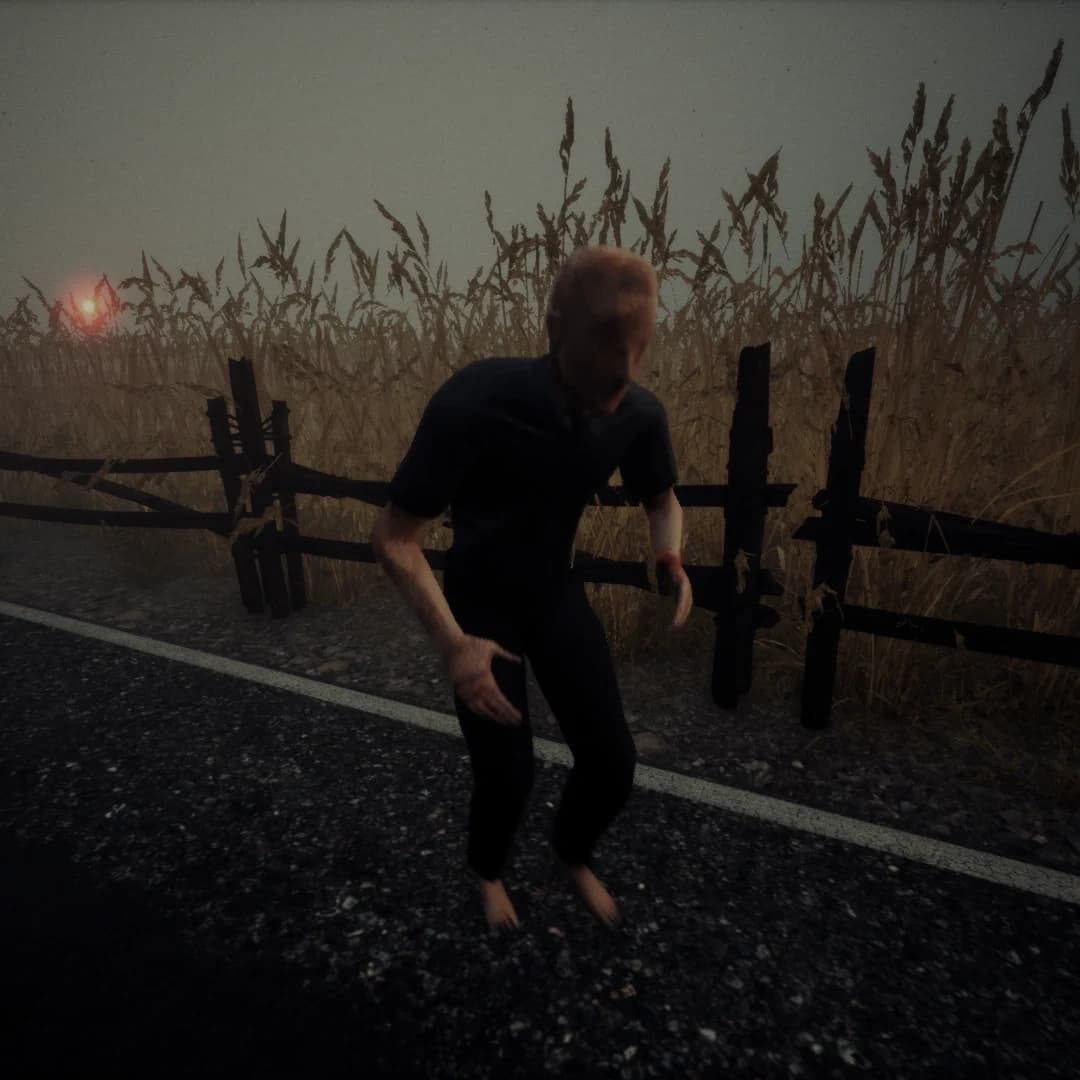
The Stalker and Farmer punish different mistakes
The early route rewards a quick look behind; the later route rewards a remembered exit. That distinction sounds small, but it is why two groups can see the same model and have completely different outcomes.
Keeping the variants separate also keeps the team’s calls useful: “turn” means Stalker, while a named road or windmill means Farmer escape.
The Level 10 Fields and Arcade walkthrough separates the road approach from the windmill route so the two Faceling behaviors do not get mixed together.
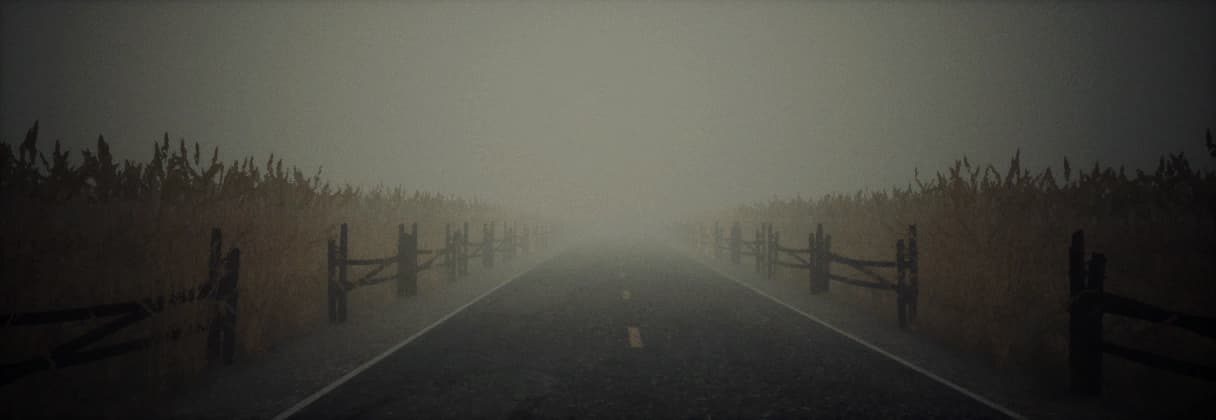
A landmark is better than a direction through wheat
“Go left” changes meaning the moment two players face different ways. “Back to the road” or “to the second windmill” gives the group a shared route even while the Farmer is noisy and close.
That shared language is what lets an objective player leave the switch without dragging the rest of the team into the same patch of wheat.
The Level 10 Fields and Arcade walkthrough uses the road and windmills as stable landmarks when the crop rows stop being readable.
Stalker checks and Farmer chases
Separate the early Stalker from the later Farmer: keep the first one off your back with deliberate turns, then keep the second from turning the wheat into a blind panic route.
Recognition signal
A figure closing from behind is the Stalker cue; the Farmer announces the dangerous phase with chainsaw audio near the windmill work.
Best immediate response
Turn and hold the Stalker in view until it gives ground. When the chainsaw starts, leave toward a road, fence, or windmill you can identify without guessing.
Reset the encounter
Regain the last known landmark before working another objective. If the field has become featureless, stop taking diagonal shortcuts and recover the road or windmill line first.
Faceling multiplayer tips
Assign one player to call rear checks while the group crosses the first field. At the windmills, one player works the objective only when another has the exit line in view; everyone should call a named landmark, not merely say that the Farmer is nearby.
What ends runs: Calling every threat “the Faceling” and running the same way. Looking at the Farmer does not solve the chainsaw chase, and sprinting away from the Stalker without a turn lets it close for free.
Where the wheat route changes
These are route-level encounter notes, not a promise that an entity will always stand in one fixed spot.
Wheat fields, road edges, and windmill routes
The Stalker changes how often players check behind; the Farmer changes which windmill route still has a reversible line.
How to handle both Faceling variants
For the Stalker, turn, hold the look until it gives up the approach, then continue. For the Farmer, use the chainsaw start to gain distance and move toward a landmarked route; do not cut blindly through wheat hoping the field opens first.
Field checks for solo and co-op
Use these as a short reset checklist. They describe what we change before, during, and after the encounter—not a script to follow blindly.
First field: rear checks
Solo: Move forward in short stretches and turn back before the Stalker has time to crowd the route. A calm check costs less than a full retreat.
Co-op: One player calls the turn; everyone turns together, then resumes. Different people checking at different times only breaks the group’s rhythm.
Windmill work
Solo: Before interacting, note which road, fence line, or windmill marks the exit. The first chainsaw sound is your cue to use that line, not to cut deeper through wheat.
Co-op: One player interacts, one watches the departure line, and the others keep space behind them. Name the landmark before the switch is touched.
After a Farmer chase
Solo: Return to a known marker and rebuild the route. Do not immediately retry from the middle of the field just because the sound faded.
Co-op: Regroup at the named marker, confirm which windmill is complete, then send one player back to the task while the others preserve the exit.
Rear checks, windmills, and chainsaw audio
Level 10 changes the rule halfway through. On the approach, build short rear checks into forward movement so the Stalker never gets a free closing distance. During windmill work, use the chainsaw audio as a route signal, abandon a bad field line early, and run toward a known road, fence, or windmill rather than deeper into crops.
Make rear checks a habit
The Stalker’s pressure is easiest to manage before it feels urgent. A planned turn protects the forward route better than a sudden group reversal.
Use chainsaw audio as a route call
The sound does not ask you to inspect the model. It asks whether you can reach a road, fence, or windmill that the whole group can identify.
Do not invent a shortcut in wheat
A diagonal escape feels fast until the landmarks disappear. Returning to a known edge is usually the route that actually survives the chase.
Faceling location in Escape the Backrooms
Before crossing the next field
- Was that the Stalker or the Farmer?
- Which landmark is the exit line?
- Who is watching behind the objective player?
Faceling questions
Quick answers for the point where a broad rule needs a concrete next action.
Why does looking back help against the Stalker?+
The early Stalker gives up ground when watched. Work that check into forward movement instead of waiting until it is already close.
Can I stare down the Farmer too?+
No. The Farmer is the chainsaw chase phase; use distance and a known landmarked route rather than trying to solve it with observation.
What is the best co-op split at a windmill?+
One player works the objective, one owns the exit call, and the rest leave the retreat lane clear.